
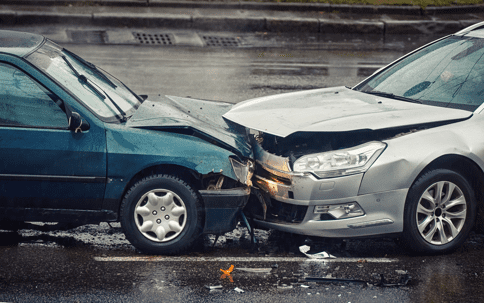
Weather conditions can make driving more challenging by reducing visibility, affecting tire grip, and increasing the distance needed to stop a vehicle. Rain, fog, snow, ice, and strong winds can create hazards even for experienced motorists. Understanding these risks helps drivers make safer decisions and avoid preventable collisions.
Staying informed about road conditions and reported incidents can also help motorists recognize potential dangers. Resources such as Accident News provide information about road incidents, while practical preparation and responsible driving remain essential for reducing accident risks.
How Weather Conditions Increase Accident Risks
According to the Federal Highway Administration (FHWA), weather-related crashes are a significant road-safety concern in the United States. Its analysis of 2019–2023 data estimates that approximately 745,000 crashes occur annually in adverse weather conditions. Rain and mist account for the largest share of these incidents.
Weather does not automatically cause a collision, but it can make hazards harder to detect and vehicles more difficult to control. Drivers who fail to adjust their speed, following distance, and driving behavior may face a greater risk of an accident.
1. Rain Creates Slippery Roads
Rain reduces tire traction and can make it harder for drivers to brake or steer effectively. The first rainfall after a dry period may be particularly hazardous because water mixes with oil and other substances on the road surface.
Heavy rain can also obscure road markings, reduce visibility, and create standing water. At higher speeds, a vehicle may experience hydroplaning, a condition in which the tires lose contact with the road surface because of water buildup.
How to reduce the risk:
- Reduce speed and increase following distance.
- Check that windshield wipers and headlights work properly.
- Avoid sudden braking, sharp turns, and abrupt acceleration.
- Never drive through flooded roads or moving floodwater.
The National Highway Traffic Safety Administration (NHTSA) recommends slowing down and allowing additional stopping distance when driving on wet roads.
2. Fog Reduces Visibility
Fog can make it difficult to see vehicles, pedestrians, road signs, and intersections. Visibility may change suddenly, leaving drivers with less time to react to unexpected hazards.
Driving too quickly in fog increases the danger because a driver may approach stopped traffic or a road obstruction before noticing it.
How to reduce the risk:
Use low-beam headlights and fog lights if available. High-beam headlights can reflect off fog and make visibility worse. Reduce speed, maintain a greater following distance, and use road markings to help stay in the correct lane.
If visibility becomes dangerously poor, find a safe place away from moving traffic and wait for conditions to improve. Avoid stopping in an active travel lane.
3. Snow and Ice Affect Vehicle Control
Snow and ice reduce tire grip, making acceleration, steering, and braking more difficult. Even a thin layer of ice can cause a vehicle to slide, particularly when a driver brakes suddenly or turns sharply.
Bridges and elevated road sections may freeze before other surfaces because they are exposed to cold air from above and below. Drivers may not recognize these hazards until their vehicles begin to lose traction.
How to reduce the risk:
- Drive slowly and leave extra space between vehicles.
- Check tires and maintain the recommended tire pressure.
- Accelerate and brake gently to avoid losing traction.
- Avoid unnecessary travel during severe winter weather.
NHTSA recommends checking weather forecasts and road conditions before traveling. When conditions are dangerous, postponing a nonessential trip is often the safest option.
4. Strong Winds Can Make Driving Difficult
Strong crosswinds can affect vehicle stability, particularly for high-profile vehicles such as trucks, buses, vans, and vehicles towing trailers. Sudden gusts may push a vehicle sideways or make steering more difficult.
Wind can also carry dust, debris, and tree branches onto roadways, creating additional hazards. Drivers traveling through exposed areas or open highways should be particularly cautious during severe wind conditions.
How to reduce the risk:
Keep both hands on the steering wheel, reduce speed, and allow additional space around large vehicles. Watch for fallen branches and other debris, and avoid overtaking high-profile vehicles when strong gusts make passing unsafe.
If wind conditions become severe, consider stopping at a safe location until they improve.
Practical Ways to Stay Safe in Bad Weather
Check Forecasts Before Leaving
Check local weather forecasts, traffic updates, and road closure information before starting a journey. Severe weather warnings may indicate that travel should be delayed or that alternative routes are necessary.
Allow extra time so you do not feel pressured to drive faster than conditions permit.
Maintain Your Vehicle
Regular maintenance helps ensure your vehicle is prepared for changing weather. Inspect tire tread, tire pressure, brakes, windshield wipers, lights, and the defroster.
Keep an emergency kit with basic supplies, a flashlight, a first-aid kit, and a charged phone. In regions affected by winter weather, additional cold-weather supplies may also be useful.
Adjust Your Speed and Following Distance
Posted speed limits are not always safe speeds in adverse weather. Drivers should slow down when visibility is limited or road surfaces become slippery.
Leave more distance between your vehicle and the one ahead. This provides additional time to respond if traffic slows suddenly or another driver loses control.
Avoid Flooded Roads
Floodwater can conceal damaged pavement, debris, or deep sections of road. Moving water can also carry vehicles away, even when the water does not appear particularly deep.
Never attempt to drive through a flooded roadway. Turn around and find a safer route instead.
Stay Focused Behind the Wheel
Avoid phone use and other distractions, particularly when road conditions demand greater concentration. Keep your attention on traffic, anticipate potential hazards, and make gradual steering and braking adjustments.
If conditions become too dangerous to continue, stop at a safe location or delay the journey.
Conclusion
Rain, fog, snow, ice, and strong winds can increase road accident risks by affecting visibility, traction, and vehicle stability. However, drivers can reduce many of these risks by preparing their vehicles, checking forecasts, adjusting their speed, and maintaining safe following distances.
The most important rule is to adapt driving behavior to the conditions rather than assume that normal driving habits will always be safe. When severe weather makes travel dangerous, delaying the trip may be the best decision for protecting everyone on the road.

