


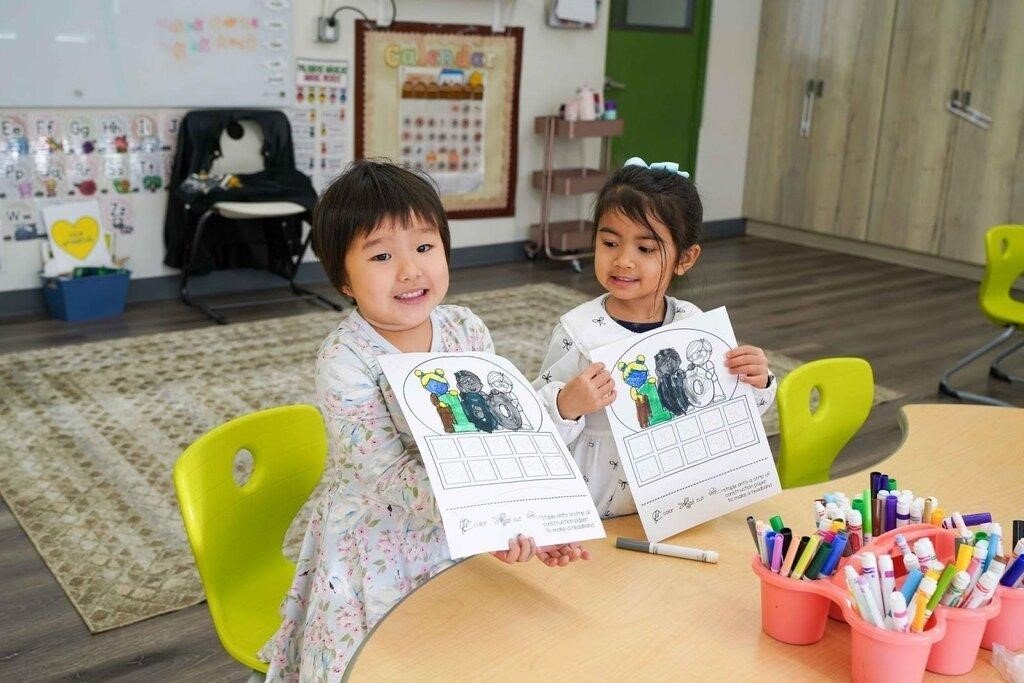
The age of three and four represents a golden window of opportunity for early childhood development, where a child’s brain acts like a sponge, soaking up every interaction, sound, and emotion in their environment. Many parents recognize this critical phase and begin searching for a Pre-K for 3-year-olds program designed specifically for three- and four-year-old learners who are just beginning their academic journey. Parents today are seeking more than simple childcare; they want a learning environment that nurtures curiosity and lays a strong foundation for future success. Choosing a high-quality private pre-kindergarten program can make a significant difference in a child’s early educational journey. For families seeking a private pre-kindergarten program that balances academics, emotional growth, and language immersion, understanding what truly matters in a Pre-K program for 3-year-olds is essential.
1. Pre-K for 3-Year-Olds: Why This Stage Matters
Early childhood education provides the essential framework for lifelong learning. For a three-year-old child, the transition from the family home to a school setting is a major milestone that shapes their future academic path. This stage focuses less on rigorous testing and more on fostering a love for discovery in a safe, supportive, and engaging environment.
1.1. Rapid Brain Development at Age Three
Scientific research confirms that brain development at age three is incredibly rapid. During these years, children are fine-tuning their language abilities, expanding their vocabulary, and beginning to understand complex social dynamics. A dedicated Pre-K for 3-year-olds classroom is thoughtfully designed to align with the unique cognitive, social, and emotional milestones of children ages three to four, providing the stimulation needed to strengthen developing neural pathways. By engaging in diverse activities, children build the cognitive flexibility required to tackle more complex academic subjects in the future.
1.2. Building Independence and Confidence
This is also the age when children begin developing a sense of independence. They want to do things on their own, from putting on their own shoes to choosing their favourite learning activities. A structured classroom helps them learn to follow multi-step directions and interact constructively with peers. These small victories in a school setting build the self-assurance they need to face new challenges with a positive attitude.
2. What Children Learn in Pre-K for 3-Year-Olds Classes
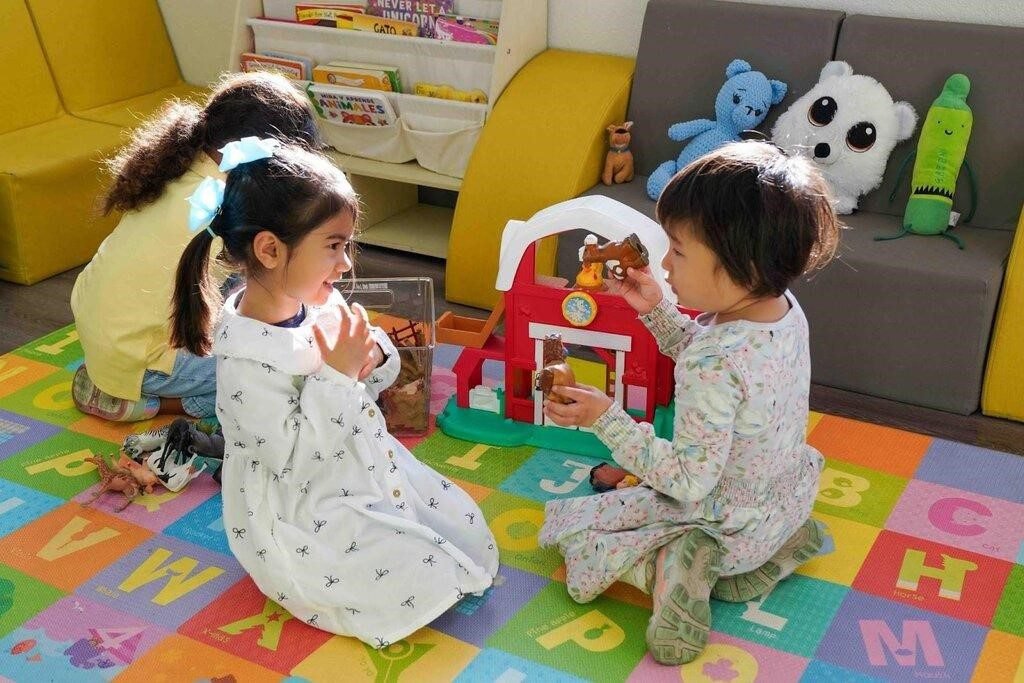
Parents often wonder exactly what a three-year-old child does in a classroom all day. While it may look like just engaging games, every activity is designed with specific developmental goals in mind. A well-rounded curriculum ensures that children grow personally, socially, and academically.
2.1. Social and Emotional Skills
One of the primary focuses of a high-quality Pre-K program for 3-year-olds is Social-Emotional Learning (SEL). Children learn to share toys, wait their turn, and recognize others’ emotions. They begin to develop empathy and learn how to resolve minor conflicts with the guidance of a teacher. These social skills are the essential building blocks for future leadership and teamwork. In a nurturing environment, children feel well-supported and appreciated, allowing them to express themselves fully.
2.2. Early Academic Foundations
Academics at this age are introduced through hands-on activities and teaching. Instead of traditional worksheets, children might learn about letters through songs or count colourful blocks during a group game. They become familiar with shapes, colours, and the basic rhythms of language. This approach ensures they are always learning something new without the pressure of high-stakes testing. This foundation helps them transition smoothly into more advanced topics, such as Singapore Math, later in their education.
2.3. Physical Development Through Play
Classrooms for three-year-olds prioritize both fine and gross motor skills. Activities like drawing with crayons or using safety scissors strengthen the small muscles in the hands, which are necessary for future writing. Meanwhile, outdoor play and organized physical activities help children develop balance, coordination, and healthy learning habits.
2.4. Creativity and Exploration
Creativity is encouraged through art, music, and storytelling. Children explore simple scientific concepts by observing plants or playing with water and sand. This experiential learning encourages children to ask questions and seek answers, fostering natural curiosity. Whether painting a vibrant picture or listening to a story, they are constantly building new knowledge and skills.
3. Features of a High-Quality Private Pre-Kindergarten Program
Not all programs are created equal. When searching for the right fit, parents should look for specific markers of excellence that distinguish a premier private academy from a standard preschool.
3.1. Small Class Sizes and Individual Attention
Personalized attention is only possible when class sizes are small. In a low-ratio environment, teachers can tailor their instruction to meet each student’s specific needs. They can recognize a child’s unique talents and provide the support necessary to help them reach their full potential. At leading private pre-kindergarten institutions, including programs like Pacific Academy Costa Mesa, small class sizes, such as a 4:1 student-to-teacher ratio, ensure individualized attention and meaningful teacher-student connections.
3.2. Experienced Early Childhood Educators


Teachers should be passionate about student success and have a deep understanding of child development. They serve as mentors who foster a positive, supportive atmosphere. In a high-quality program, the faculty and staff work together to ensure that every child feels seen and cared for. Dedicated teachers are the heartbeat of a school, providing the guidance children need to become enthusiastic and confident learners.
3.3. Safe and Stimulating Environment
The physical classroom should be both safe and inviting. Look for schools that are WASC-accredited, as this recognizes a rigorous curriculum and a wonderful learning environment. Western Association of Schools and Colleges (WASC) accreditation also certifies that a school is accomplishing its mission through rigorous standards of planning and assessment.
3.4. Options for All-Day Pre-Kindergarten
For busy working families, an all-day Pre-Kindergarten program designed for three- and four-year-olds provides a stable routine that supports both academic growth and emotional security. A full-day schedule allows for more hands-on teaching and prevents the stress of multiple transitions between different care providers. It also gives children more time to engage in a diverse range of extracurricular activities, from music clubs to gardening.
4. A Leading Example for Families in Costa Mesa
For those living in Orange County, Pacific Academy Costa Mesa (PACM) serves as a premier example of what an elite Pre-K program for three- and four-year-olds looks like. Serving children from Preschool through 6th grade, PACM is ranked No.2 Best K-12 Private School in Orange County. Within its early childhood division, PACM offers a structured Pre-K program for three- and four-year-olds. The curriculum balances guided academics, social-emotional development, and hands-on exploration to ensure age-appropriate growth during this foundational stage.
PACM offers a unique trilingual curriculum that includes English, a successful Chinese Immersion program, and daily Spanish enrichment classes. This trilingual education enhances cognitive flexibility and cultural understanding from a very young age. By immersing children in multiple languages through songs and stories, language mastery becomes a natural and joyful part of their day. Unlike traditional preschool programs, PACM integrates structured academics with immersive language exposure, giving children both cognitive stimulation and cultural awareness during this critical developmental window.
Beyond language immersion, Pacific Academy Costa Mesa offers a structured, academically enriching environment where intentional teaching strategies and individualized support foster curiosity. The school uses effective methodologies such as Singapore Math and Project-Based Learning to foster critical thinking skills. PACM also offers a holistic after-school program where students can explore their interests through the Gardening Club, Jr. Chef program, or the DIY Rocketry Club.
5. How to Know If Your Child Is Ready


Determining whether a child is ready for a structured learning environment involves several key signs. Emotional readiness, such as the ability to separate from caregivers and interact positively with peers, is essential. Strong communication skills and adaptability to routines further indicate preparedness. In a high-quality private pre-kindergarten environment, a nurturing setting and consistent Social Emotional Learning framework help children transition smoothly while building long-term confidence.
6. Conclusion
A high-quality Pre-K program for 3-year-olds lays the foundation for confident, lifelong learning by balancing academics with social and emotional growth. Pacific Academy Costa Mesa offers this well-rounded development in a caring community. Families seeking a structured, nurturing, and academically enriching Pre-K program for three- and four-year-olds are encouraged to schedule a campus tour at Pacific Academy Costa Mesa and experience the difference firsthand.