
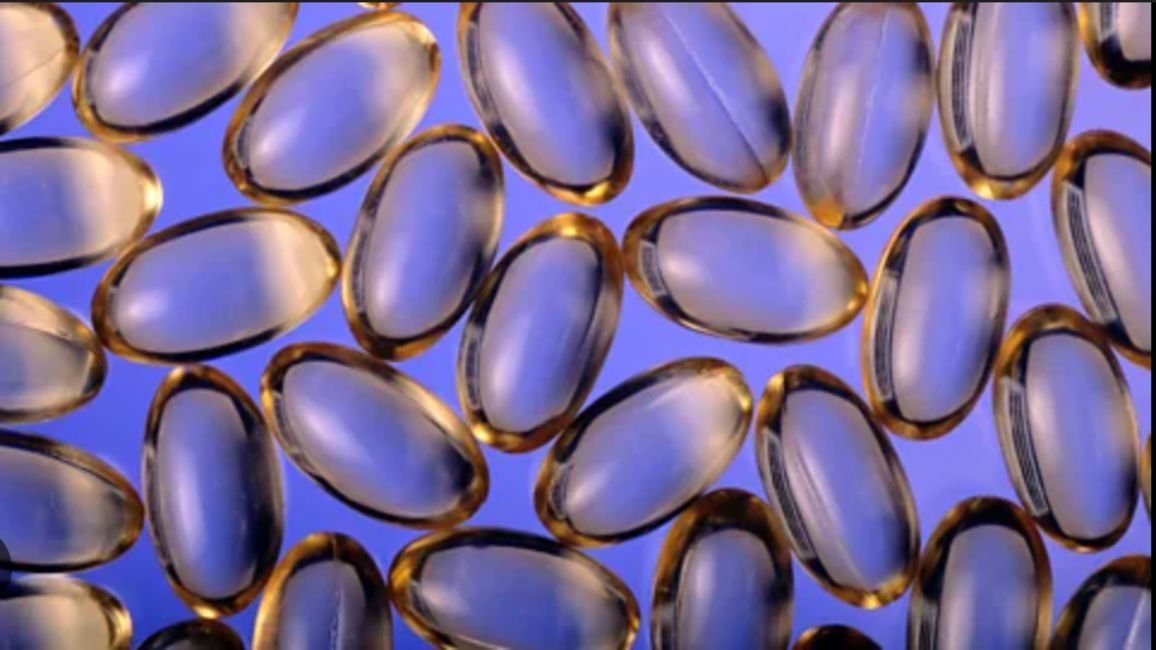
In the rugged, wind-swept coastal villages of old Scandinavia, there was a nutritional ritual that modern science is only now beginning to fully appreciate. Before the advent of synthetic supplements and industrial processing, Viking mariners and northern European families relied on a singular, potent substance to survive the brutal, sunless winters: fermented cod liver oil.
While the concept of “fermentation” today typically brings to mind sourdough bread, tangy kimchi, or kombucha, its application to fish oils represents one of the most sophisticated examples of ancient food preservation. Far from a simple byproduct, this “liquid gold” was treated as a sacred tonic, a concentrated source of vitality that protected the heart, strengthened the bones, and fortified the immune system against the harshest elements on Earth.
The Alchemical Process: How Fermentation Differs
To understand the resurgence of fermented cod liver oil in today’s high-end wellness market, one must first understand how it differs from the standard, mass-produced fish oils found on pharmacy shelves.
Most modern fish oils are processed using high heat, chemical solvents, and bleaching agents to achieve a uniform, bland product. While this makes the oil “palatable,” it often strips away the delicate co-factors and fat-soluble vitamins that nature intended to go with the fatty acids. In contrast, the fermentation process is a cold, slow, and traditional method.
The livers of the cod are placed in vats and allowed to naturally ferment for several months. During this time, the oil separates from the liver tissue through natural enzymatic action. Because no heat is applied, the fragile Omega-3 fatty acids remain in their natural triglyceride form, and the naturally occurring vitamins A and D are preserved in their complex, bioavailable states. This process doesn’t just preserve the oil; it enhances it, creating a “living” food that the body recognizes and absorbs with far greater efficiency.
A Nutritional Powerhouse: Beyond Omega-3s
The primary reason health enthusiasts are returning to fermented cod liver oil is its unparalleled nutrient density. While many people take fish oil solely for EPA and DHA (Omega-3s), this traditional preparation offers a synergistic “bundle” of nutrients that work together:
- Natural Vitamin A (Retinol): Unlike the synthetic beta-carotene found in many multivitamins, the preformed Vitamin A in fermented oil is essential for vision, skin health, and the integrity of the mucosal linings in the gut and lungs.
- Vitamin D3: Often called the “sunshine vitamin,” Vitamin D is crucial for calcium absorption and immune regulation. In fermented oil, it exists in a ratio with Vitamin A that prevents the toxicity sometimes associated with isolated vitamin supplementation.
- Quinones (Vitamin K2): Perhaps the most exciting discovery in recent years is the presence of Vitamin K-complex in fermented oils. K2 acts as a “traffic cop” for calcium, ensuring it goes into the bones and teeth rather than accumulating in the arteries.
- Enzymatic Activity: The fermentation process introduces beneficial metabolites and enzymes that support digestive health, a benefit completely absent in heat-processed oils.
The “Wulzen Factor” and Anti-Stiffness
Historically, researchers like Dr. Rosalind Wulzen identified a specific nutrient in raw fats and fermented oils—later dubbed the “Wulzen Factor”—that appeared to protect humans and animals from joint calcification and stiffness.
Modern advocates of fermented cod liver oil frequently report significant improvements in joint mobility and a reduction in systemic inflammation. By providing the body with the raw materials needed to maintain fluid joint membranes and prevent “ectopic calcification” (calcium in the wrong places), this oil serves as a preventative measure against the oxidative stress that characterizes aging in the modern world.
Navigating the Taste: A Culinary and Ritual Challenge
It would be disingenuous to suggest that fermented cod liver oil tastes like a modern citrus-flavored supplement. It has a robust, pungent, and decidedly “ancient” profile. However, for the dedicated wellness seeker, the taste is a secondary concern to the results.
Many users adopt a “ritual” approach, taking a small dose alongside a fat-heavy breakfast or disguised in a spoonful of raw honey or full-fat yogurt. High-end producers have also begun offering “infused” versions—using organic peppermint, lemon, or cinnamon oils—to bridge the gap for those with more sensitive palates.
Sourcing and Sustainability: The Ethics of the Deep
As with any luxury wellness product, sourcing is paramount. The best fermented cod liver oil comes from wild-caught Arctic cod (Gadus morhua), harvested from the pristine, cold waters of the Norwegian or Icelandic seas.
Sustainability is a key pillar of this industry. Reputable brands work closely with Marine Stewardship Council (MSC) certified fisheries to ensure that the cod populations remain healthy and that the entire fish is used, honoring the “nose-to-tail” philosophy that defines traditional nutrition. This transparency is vital for the modern consumer who wants to ensure their health journey doesn’t come at the cost of the ocean’s ecosystem.
Is It Right for You?
While fermented cod liver oil is a nutritional titan, it is a potent substance. Because of its high natural vitamin content, it is always recommended to consult with a healthcare professional, especially for those on blood-thinning medications or those who are pregnant.
For the general audience looking to optimize their health, it represents a return to a more intuitive way of eating. It is a rejection of the “isolated nutrient” model in favor of “whole food” complexity. In an era where we are constantly looking for the next “bio-hack,” it is ironic—and perhaps poetic—that the most effective solution might be a tradition that is over a thousand years old.
Conclusion
Fermented cod liver oil is more than just a supplement; it is a piece of biological history. By preserving the wisdom of the past through the natural alchemy of fermentation, we gain access to a level of nourishment that modern processing simply cannot replicate. For those seeking to fortify their bodies against the stresses of contemporary life, looking back to the deep, cold waters of the North may provide the most luminous path forward.

