
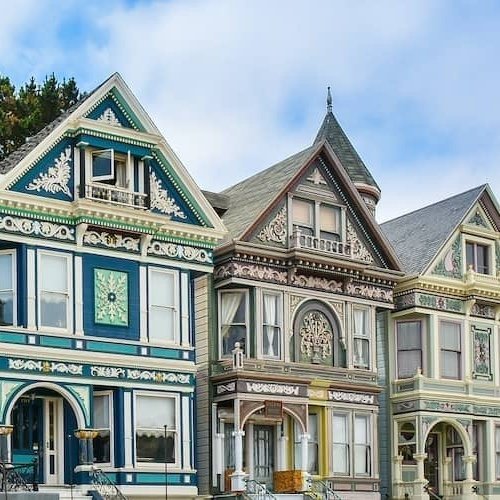
Purchasing a historic home offers a unique opportunity to own a piece of history, but it also comes with its own set of challenges. Understanding both the advantages and disadvantages can help potential buyers make informed decisions. For those considering such a purchase in Knoxville, consulting with a knowledgeable professional, such as Knoxville real estate agent Jennifer Scates can provide valuable insights. The Jennifer Scates Group specializes in both residential and commercial properties in the Knoxville area, offering expertise in navigating the complexities of historic home transactions.
Unique Architectural Features
Historic homes often boast distinctive architectural elements that are rare in modern constructions. Features such as intricate woodwork, stained glass windows, and original hardwood floors add character and charm. These elements reflect the craftsmanship of bygone eras and can be a significant draw for buyers seeking uniqueness in their living spaces.
Many historic properties showcase period details that highlight particular architectural movements, such as Victorian, Colonial Revival, or Craftsman styles. These unique features, whether ornate fireplaces, built-in cabinetry, or wraparound porches, offer daily reminders of the home’s rich history. For many homeowners, the blend of historical artistry and tradition outweighs the practical challenges.
Financial Incentives
Owning a historic home may come with financial benefits. Many states and local governments offer tax credits, grants, or reduced property taxes to encourage the preservation of historic properties. For instance, some areas provide income tax credits for qualified rehabilitation expenses, which can help offset the high cost of upkeep while preserving a home’s character and community value.
Additionally, historic homes may qualify for low-interest loans or other subsidies to support restoration and maintenance. These incentives make ownership more attainable for buyers committed to preserving the architectural integrity of their homes. However, eligibility for these programs often requires the property to meet specific criteria and for restoration work to comply with designated standards, which underscores the need for careful planning and expert guidance.
Maintenance and Repair Costs
While the charm of a historic home is undeniable, maintenance can be both frequent and expensive. Aging infrastructure, such as outdated plumbing and electrical systems, often requires specialized care and materials that match the home’s original design. Even minor repairs, such as replacing a window or roof shingle, can require special approval and the use of historically accurate materials, adding to the overall cost.
Homeowners are often encouraged to seek out craftspeople skilled in traditional building methods, which can limit choices and further increase prices. Proactive maintenance is particularly important for historic homes, as deferred repairs can lead to more serious issues, such as structural problems or water damage. Savvy buyers set aside a contingency fund to cover unexpected repairs promptly, ensuring the home’s continued preservation for future generations.
Regulatory Restrictions
Historic homes located in designated historic districts are often subject to strict regulations aimed at preserving their historical integrity. Homeowners may need to obtain permission from local authorities before making changes to the exterior or interior of the property. This can limit the ability to personalize the home and may involve navigating bureaucratic processes to gain approval for renovations.
It is important for potential buyers to familiarize themselves with local preservation guidelines, as non-compliance can result in penalties or the need to reverse unapproved work. On the bright side, these regulations help preserve the historical character of neighborhoods, protecting homeowners’ long-term investments.
Energy Efficiency Concerns
Older homes were not built with modern energy-saving technologies, which can lead to inefficiencies. Features like single-pane windows and outdated heating systems can result in higher heating and cooling costs. Upgrading these elements to meet current energy standards can be challenging and may require significant investment.
While it may be tempting to install new windows or insulation, these updates often require approval to ensure they are sympathetic to the home’s original design. Buyers interested in sustainability should research eco-friendly renovation options that maintain the home’s historical integrity, such as storm windows or energy-efficient HVAC systems specifically designed for older properties.
Modern Amenities
Historic homes may lack modern conveniences that contemporary buyers expect, such as spacious kitchens, large bathrooms, or ample closet space. Retrofitting these homes to include modern amenities can be complex and may require creative solutions to maintain the home’s historical character while meeting current lifestyle needs.
Some homeowners choose to embrace creative storage solutions or ingenious design modifications, like built-in shelving and cleverly partitioned rooms. It is crucial to balance upgrades with preservation to maintain the investment’s historical and financial value.
Insurance Considerations
Insuring a historic home can be more expensive than insuring a newer one due to the potential need for specialized restoration in the event of damage. Insurance premiums may be higher because of the extensive upkeep required and the need for specialized coverage. It’s essential to factor in these additional costs when considering the purchase of a historic property.
Some insurers offer special policies tailored to historic and landmark properties, which might include coverage for authentic materials and period-specific restoration work. Consulting with an agent who understands historic properties is advisable to ensure appropriate protection.
Historic Neighborhoods and Community
Owning a historic home often means becoming part of a neighborhood dedicated to preservation and community spirit. These communities usually have active historical societies that organize events, tours, and educational sessions designed to celebrate and protect their area’s cultural heritage. Residents often develop a shared sense of pride, forging close bonds through collective efforts to maintain and showcase their neighborhood’s unique character.
Living in a historic district can also positively impact property values, as well-maintained neighborhoods attract buyers who appreciate history and charm. However, it’s important for prospective buyers to assess the level of community involvement they desire and ensure they’re comfortable with the expectations and responsibilities that may come with living in a closely-knit, preservation-minded area.
Restoration and Renovation Tips
Successful restoration projects start with meticulous planning. Hiring professionals with expertise in historic preservation guarantees that any work done complies with local regulations and preserves the home’s value. Detailed documentation of the home’s original features is essential—photographs, architectural drawings, and written records guide decisions about which materials and techniques to use.
Researching the home’s history can also inform restoration choices and may reveal fascinating stories or original details worth preserving. Homeowners should be prepared for restoration timelines to be longer than those for newer homes. Even with challenges, the process of restoring a historic home can be extremely rewarding, culminating in a unique living space rich with history and character.
Conclusion
Buying a historic home offers the allure of unique architectural features and potential financial incentives, but it also comes with challenges such as higher maintenance costs, regulatory restrictions, and inefficiencies. Prospective buyers should weigh these factors carefully and consult with professionals experienced in historic properties to make an informed decision.

