


Countless facilities compare these two curing methods long before installing an industrial curing oven. The decision usually comes down to how each system handles production patterns, coating specifications, and plant workflow. This topic matters because the curing stage often determines how reliable and predictable the final finish will be.
Batch Processing vs. Diverse Parts Handling
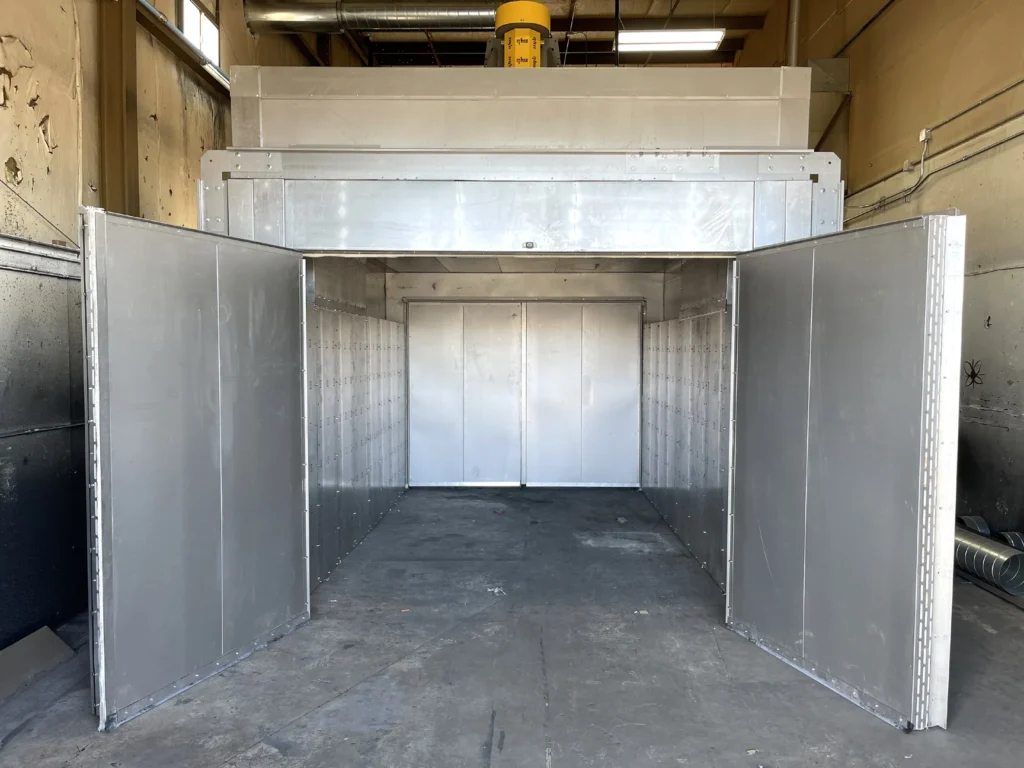
Batch systems allow manufacturers to load racks filled with mixed shapes, sizes, or custom parts into a single paint curing oven. This method works especially well for facilities that rarely repeat the same layout twice. Having the freedom to cure odd-sized products without interrupting the line is a strong advantage for shops that rely on heavily varied output. Different part geometries complicate airflow and heat absorption, but batch-style industrial curing ovens manage this change more smoothly. Continuous lines depend on repeatability, while batch ovens allow operators to rearrange racks or reposition pieces to maintain uniform curing across all surfaces.
High Volume Production vs. Continuous Flow Dominance
Continuous flow curing gives plants a steady stream of finished parts without stopping the line. This structure benefits companies that push out identical components day after day. A continuous paint curing oven keeps heated zones active at all times so the output remains rhythmic and predictable.
The opposite is true for slower operations. Processing smaller quantities creates gaps that waste energy on a moving line. Batch ovens remain more efficient because they only run during active cycles, reducing lost heat and idle time.
Variable Cycle Times vs. Tailored Product Needs
Many coatings require unique dwell times based on thickness, substrate, and oven temperature. Batch systems help operators meet these requirements by giving full control over heat-up, soak, and cool-down stages. Adjustments can be made without reconfiguring an entire line.
A continuous system follows a fixed conveyor speed, which limits flexibility for specialty coatings or multi-layer finishes. Longer cycle times may not match the programmed pace, forcing the operator to modify curing parameters instead of customizing the process for each product.
Production Consistency vs. Continuous Systems’ Edge
Continuous flow curing offers exceptional repeatability when parts remain uniform. Products enter and exit the paint curing oven under nearly identical conditions, which stabilizes gloss, texture, and adhesion results. This environment is ideal for operations built around mass production.
Batch tools provide consistency too, but depend more on operator skill and rack setup. Thermal balance can shift when parts differ in mass or coating thickness. Maintaining consistent results requires attention to how the oven is loaded and how airflow moves through each rack.
Individual Product Changes vs. Batch Flexibility
Product lines often shift with short notice, especially in custom fabrication settings. Batch systems handle these adjustments easily because operators can switch from one product type to another without retooling. The oven simply receives a different set of racks. Continuous flow makes these transitions harder. Any major change in part height, coating type, or number of components may require conveyor spacing updates or temperature zone modifications. Those interruptions slow production and can cause temporary inconsistencies.
Automated Handling vs. Continuous Optimization
Continuous systems usually integrate advanced automation for loading, curing, and unloading. This improves speed but also requires steady part flow to justify the investment. Automation becomes less efficient when production swings from heavy to light throughout the week.
Batch processes can include automation as well, but the emphasis leans toward flexible staging and loading equipment. Operators can reposition racks, shift hang points, or adjust clearance quickly, which matters more than conveyor-based optimization.
Intermittent Operations vs. Batch Energy Efficiency
Facilities that operate in cycles rather than long uninterrupted shifts often prefer batch equipment. These ovens can power down between loads without affecting product quality. Energy use stays tied directly to active curing cycles, helping reduce total overhead. Continuous ovens run most efficiently when kept at temperature for long durations. Turning them off and on repeatedly wastes energy and increases wear on burners and components. Plants with sporadic schedules usually find batch curing more economical.
Significant Labor Reduction vs. Continuous Lines
Continuous conveyor systems reduce manual handling because parts travel automatically from pretreatment to the paint curing oven and through to the finishing area. This helps lower labor costs and supports high-speed throughput.
Batch setups rely more on forklift or cart movement, but offer lower entry costs and fewer constraints for reshuffling production. For many facilities, the labor difference does not outweigh the freedom and adjustability that batch curing provides. Reliant Finishing Systems is known for offering industrial curing ovens that deliver dependable, repeatable performance, whether a facility relies on batch processing or continuous flow production.