


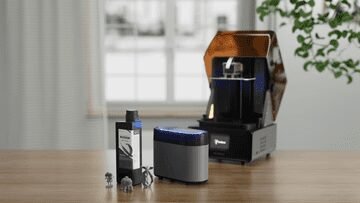
Making custom artisan keycaps requires precision and patience. Enthusiasts often transition from buying expensive commercial pieces to casting their own sculpts using a precise resin 3d printer. This fascinating digital fabrication process can be highly rewarding for dedicated builders.
To start this hobby properly, finding the best 3d printer for fine surface details helps ensure success. Standard filament extrusion often struggles with the strict mechanical tolerances needed for a reliable keyboard fitment across different switches.
The Dimensional Tolerance Challenge
Mechanical switches require precise physical measurements. A standard Cherry MX stem measures roughly 1.17 millimeters thick. Using an accurate resin 3d printer helps ensure proper fitment every time.
This proactive approach greatly reduces the risk of damaging delicate mechanical switches during regular daily use. Perfect physical clearances consistently remain a major hurdle for beginners entering this workspace.
Essential Hardware for Keycap Casting
Setting up a specialized workspace requires adequate ventilation and reliable hardware. Managing photopolymer chemicals properly helps maintain a secure indoor environment for consistent fabrication. You must prioritize safety above all else when handling these materials.
| Tool | Primary Purpose | Necessity |
| Nitrile Gloves | Protect skin from chemicals | Essential |
| Respirator Mask | Filter volatile emissions | Essential |
Choosing Your Primary Machine
Selecting an optimal best 3d printer largely influences the final physical quality of your project. Standard desktop filament machines usually leave visible layer lines. Liquid photopolymer technology offers the exact resolution needed for intricate topographies.
Supporting Processing Equipment
A successful workflow relies on additional processing tools. You typically need your chosen machine alongside an ultrasonic cleaner filled with isopropyl alcohol. A dedicated ultraviolet curing station is also highly recommended to harden pieces effectively.
The Digital Design Workflow
Before physical fabrication begins, custom caps are usually modeled digitally. Enthusiasts typically use polygonal modeling software over standardized blank templates. This step helps ensure proper mechanical fitment and structural stability across the entire computer board.
Digital Modeling and Templates
Consider starting by downloading accurate digital models for popular ergonomic profiles. These specific templates generally feature the correct stem dimensions. This strategy saves you from recreating complex physical tolerances from scratch while designing new geometries.
Proper Slicing Techniques
Dedicated slicing software translates digital models into specific machine instructions. Angling the artisan keycap at roughly 45 degrees usually minimizes suction cup forces. This specific orientation helps protect the delicate geometry inside your resin 3d printer.
Verifying Mechanical Clearances
Even a highly rated best 3d printer struggles to fix a digital model that is inherently too wide. Carefully verify that added geometric details do not physically interfere with adjacent keys before exporting the final file.
Finishing and Assembly Steps
Raw printed pieces often look somewhat dull and require manual finishing. This stage separates early attempts from refined artisan keycaps. Careful attention brings your miniature digital sculpts to life with much more defined visual accuracy.
Painting Miniature Topographies
Use premium acrylic paints thinned with water for a smooth application. Utilizing a capable best 3d printer means your miniature canvas has crisp edges. This advantage makes subtle brushing techniques highly effective and visually appealing.
Applying Protective Clear Coats
Custom keycaps endure daily friction and natural finger oils. You should seal the dried acrylic paint with a durable clear coat. This final step protects the intricate details produced by your resin 3d printer.
Always ensure the painted surface is completely dry before sealing. Applying a thin layer of matte varnish provides lasting protection and gives the keycap a refined factory appearance that resists fading over time.
Evaluating Extended Durability
Photopolymer materials offer incredible detailing but can sometimes be structurally brittle. Mixing flexible additives into your liquid vat helps prevent the mechanical stems from snapping during frequent keyboard modifications.
Consistently inspecting your customized hardware guarantees longevity. This simple practice ensures your personalized mechanical keyboard remains fully functional and aesthetically pleasing for several years of heavy typing.
Conclusion
Crafting custom artisan keycaps demands technical precision and patience. Mastering this digital workflow transforms a standard mechanical keyboard into functional art. Utilizing an accurate resin 3d printer alongside best 3d printer practices provides repeatable professional results for any dedicated enthusiast.