


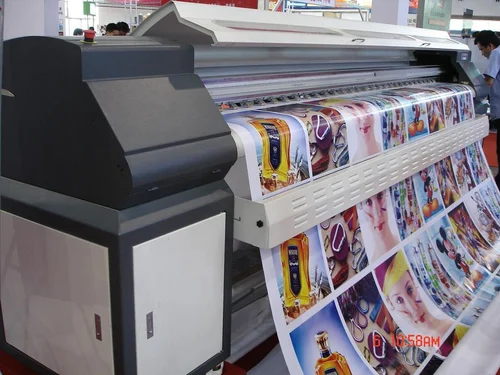
In the rapidly evolving landscape of printing technology, laser marking paper has emerged as a revolutionary method, transforming the way we print and leaving a lasting impact on various industries. This advanced technique harnesses the power of lasers thunderlaser.com to create intricate designs, patterns, and texts on paper surfaces with unparalleled precision and efficiency. Let’s delve into the fascinating world of laser marking paper and explore its applications, benefits, and future possibilities.
Introduction
Laser marking paper represents a leap forward in the world of printing technology. Unlike traditional printing methods that rely on ink or dyes, laser marking employs focused laser beams to create permanent marks on paper surfaces. This technique is gaining momentum due to its ability to produce high-quality prints with intricate details that were once challenging to achieve.
How Laser Marking Paper Works
Laser marking operates on the principle of localized heating. A powerful laser beam is directed onto the paper surface, causing the material to vaporize and create a visible mark. The intensity and duration of the laser exposure determine the depth and darkness of the mark. This level of precision and control allows for the creation of detailed designs, logos, and even text, catering to a wide range of applications.
Applications of Laser Marking Paper
3.1 Industrial Packaging
Laser marking has found a significant application in industrial packaging. Manufacturers use laser marking to engrave labels, barcodes, and essential product information directly onto packaging materials. This not only ensures clear and lasting identification but also eliminates the need for additional labels or stickers, streamlining the production process.
3.2 Security and Anti-Counterfeiting Measures
In the realm of security printing, laser marking plays a pivotal role. It’s used to produce intricate patterns, holograms, and micro-text that are nearly impossible to replicate. This makes laser-marked documents and certificates highly secure and helps prevent counterfeiting.
3.3 Art and Creative Design
Laser marking isn’t limited to industrial applications; it has also made its mark in the world of art and design. Artists and creators utilize laser marking to produce unique textures, patterns, and visual effects on paper, adding a new dimension to their creations.
Advantages of Laser Marking Paper
4.1 High Precision
One of the standout features of laser marking is its exceptional precision. The controlled laser beams ensure that the marks are created exactly where intended, even for the most intricate designs. This level of accuracy is unparalleled compared to traditional printing methods.
4.2 Durability and Longevity
Laser-marked prints exhibit impressive durability. The marks are resistant to fading, smudging, and water damage, ensuring that important information remains legible over time. This durability is particularly valuable for products exposed to harsh conditions or for documents that need to stand the test of time.
4.3 Environmentally Friendly
Laser marking eliminates the need for inks, solvents, and other chemicals used in traditional printing methods. As a result, it’s a more environmentally friendly option, reducing the production of hazardous waste. click here
Challenges and Limitations
5.1 Complexity for Color Printing
While laser marking excels in creating monochromatic prints, producing full-color prints with this technique can be challenging. Achieving a wide color gamut comparable to traditional methods remains a hurdle.
5.2 Initial Equipment Investment
Implementing laser marking requires a significant initial investment in specialized equipment. Small businesses and individuals might find the upfront cost prohibitive, especially if they don’t have a consistent high-volume demand.
Future Prospects and Innovations
As technology continues to advance, we can anticipate further innovations in laser marking. Research is ongoing to enhance color printing capabilities and make laser marking more accessible to a broader range of users. The integration of AI and automation might also streamline the process, making it even more efficient and cost-effective.
Conclusion
Laser marking paper has transformed the printing landscape, offering unprecedented precision, durability, and versatility. Its applications span from industrial packaging to security printing and creative design. While it comes with its challenges, the future holds exciting possibilities for expanding its capabilities and accessibility.
FAQs
1 What types of paper are suitable for laser marking?
Laser marking works well on a variety of paper types, including coated, uncoated, and specialty papers designed for laser printing.
2 Is laser marking paper more expensive than traditional printing methods?
The cost of laser marking can vary depending on factors such as the complexity of the design and the volume of prints. While the initial investment might be higher, the long-term durability and efficiency can offset the costs.
3 Can laser marking be used for mass production?
Yes, laser marking can be adapted for mass production. However, efficient implementation might require specialized equipment and workflow optimization.
4 Are there any safety concerns with laser marking paper?
Laser marking is generally safe when performed by trained professionals using appropriate equipment. Adequate safety measures, such as protective eyewear, should be taken.
5 How does laser marking compare to inkjet printing in terms of quality?
Laser marking typically offers higher precision and durability compared to inkjet printing. It’s capable of creating finer details and longer-lasting marks on various surfaces.